How Many Live Models Should A Cosmetic Tattoo Course Include?

If you’ve been looking into how many live models a cosmetic tattoo course includes? Then good on you for already getting ahead of the curve – most people just dive into cosmetic tattoo training without a clue as to just how vital hands-on practice actually is. We’re Uliana Kasperska and our team of cosmetic tattooists based here in Brisbane, and we’ve seen it time and again over the last 15+ years in the beauty industry: real-world experience can totally turn students around. Whether you’re shopping around for different cosmetic tattoo courses or plotting out your journey towards becoming a brow artist with confidence, the one thing that never changes is that real learning takes place on real skin.
So, let’s cut straight to the chase. A proper cosmetic tattoo course should include at least 4 to 6 live models per technique.
You won’t get the level of understanding you need, or the controlled technique, or the skin confidence, to be able to tattoo safely in a real-life studio environment if you don’t.
Contents
Why Hands-On Clients Matter More Than Latex
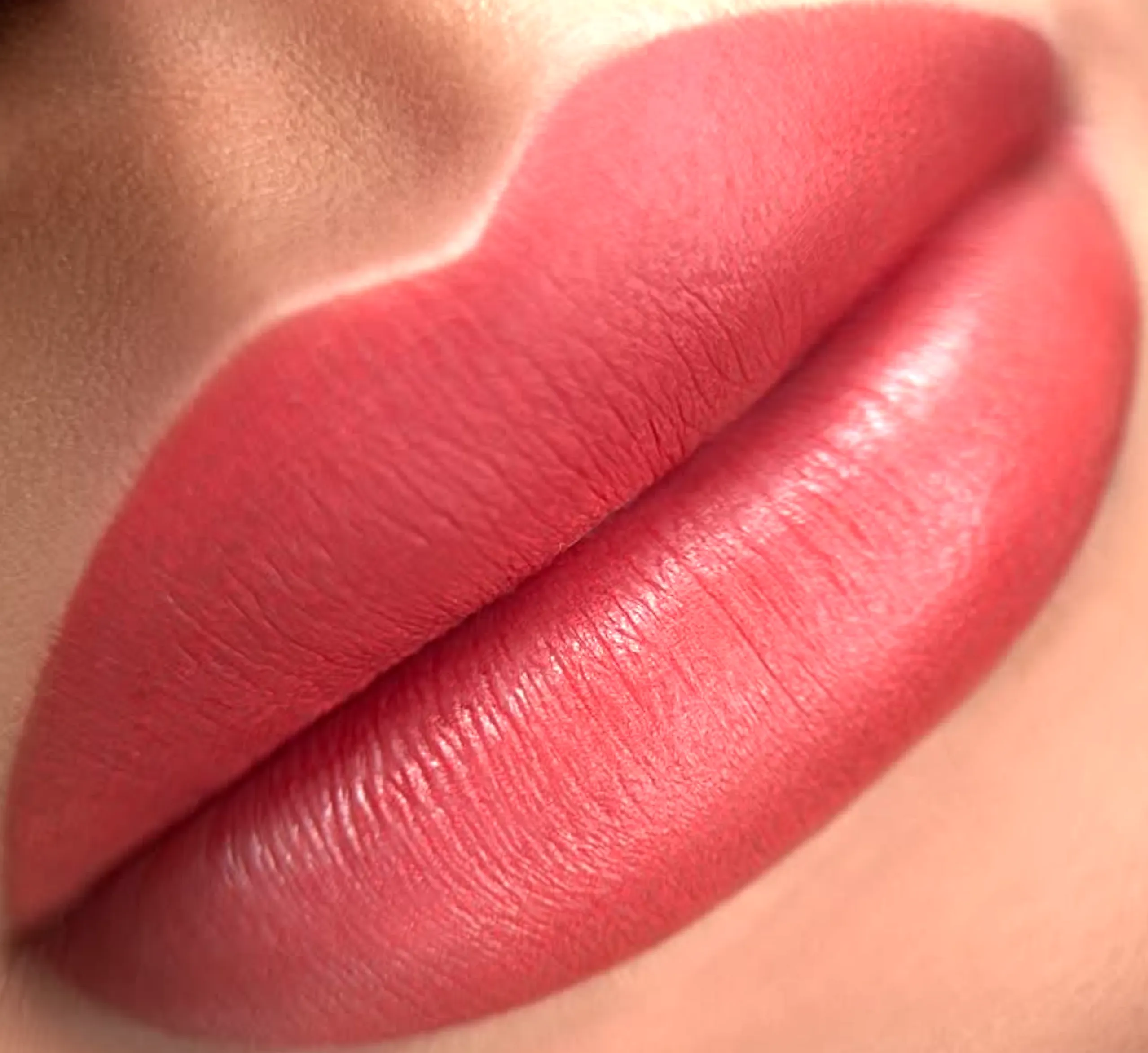
The truth is, live models teach you things that vinyl practice mats and latex skins just can’t match. Real skin moves, flushes, stretches and reacts – especially during those delicate procedures like feather touch strokes or powder brow shading. Students who are learning eyebrow tattoo training techniques will soon find out that the way skin behaves in the treatment room is nothing at all like the diagrams in the textbook.
Back here in Brisbane, things get even trickier:
- Humidity makes pigment colours settle funny
- Dehydrated winter skin takes pigment all over the place
- Sun exposure changes the texture of skin and how elastic it is
- And topical anaesthetics react differently with every client
No latex practice mat can replicate that. Live models get you ready for the real world, and before you know it, that nervous beginner is turning into a confident cosmetic tattooist.
What You Should Learn From Each Client Session
Every model has its own individual quirks. Even small differences in skin biology, facial contours, and Fitzpatrick skin types change the way you should be tattooing.
This is true whether you’re working on brows or just learning the basics with a lip tattoo course, where soft, stretchy lip tissue is going to react to needles and pigment in a completely different way.
Here’s how the learning curve normally develops:
| Model Number | Learning Focus | Why It Matters |
|---|---|---|
| Model 1 | Mapping + cautious machine control | You begin to understand how real skin reacts under pressure |
| Model 2 | Stretching + needle configurations | Shows how stretch affects saturation and depth |
| Model 3 | Working with Fitzpatrick skin types | Essential for choosing the correct pigment colours |
| Model 4 | Speed control + shading techniques | Perfect for ombre and powder brow refinement |
| Model 5 | Client communication + comfort | You practise consultation, expectations, and aftercare |
| Model 6 | Real-time troubleshooting | You learn how to adjust depth, speed, and stretch instantly |
By the sixth model, students finally understand why trainers insist on repetition: every face teaches you something new.
Why Four to Six Sessions Work Best
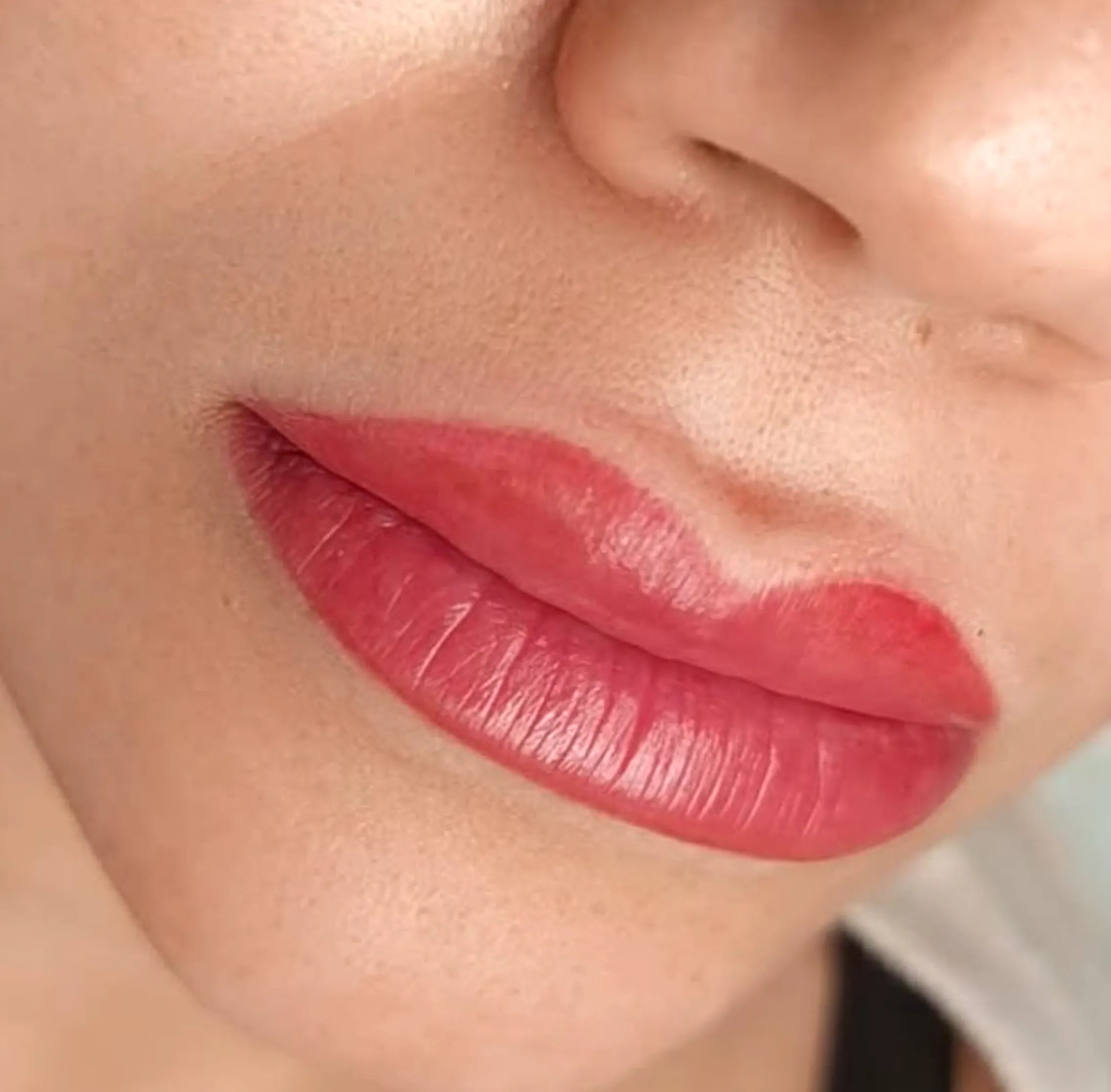
Some training programs will only give you a limited one or two models to work with, but cosmetic tattooing is a delicate skin treatment governed by very strict infection control rules. You can’t learn the depth of penetration, how to stay safe from cross-contamination, or how to reduce trauma to the skin just using fake practice materials.
Especially if you’re heading to teach eyeliner tattoo courses yourself, as trainers, you’re going to need to show and demonstrate the kind of safety and professionalism that you’d expect from yourself in a real-world environment.
Here’s exactly why multiple models are so important:
1. Every skin type behaves differently
Oily skin, dry skin, mature skin, thin skin, skin that’s been damaged by the sun – each model behaves uniquely.
2. Technique changes with every face
Your feather touch strokes behave completely differently on:
- Thick skin
- Loose skin
- Dehydrated skin
- Sensitive skin
The same goes for shading patterns in powder brow techniques.
3. Safety requires real-life practice
You need to learn to spot the difference between redness that is just irritation and redness that is because of trauma. You need to know what to do with swelling, when to slow down with topical anaesthetics and when to adjust the pressure and your technique. And you can’t learn all that from plastic – this knowledge comes from real people.
What A Quality Training Program Should Include
A good cosmetic tattoo training course should give you more than just a certificate and the chance to practice a few strokes. Look for courses that offer:
- Multiple supervised live models
- A minimum of four models is ok, but six is even better.
- Real-time trainer correction
- Not just checking in now and then, but actual, hands-on supervision.
- A state-of-the-art facility
- A clean, well-lit and well-organised centre will help you learn much better.
- Consultation forms & informed client consent
Students need to understand things like:
- What considerations do you need to have with each client
- The basics of skin anatomy
- Patch testing
- How to use topical anaesthetics
- What clients can and can’t expect in terms of treatment
Strict infection control standards
You need to be taught what Queensland expects of you in terms of:
- Hepatitis basics
- Staying safe from cross-contamination
- How to use barrier protection
- Properly disposing of sharps
- How to clean and disinfect everything
Exposure to different brow tattooing styles
This includes:
- Feather touch
- Powder brow
- Ombre brows
- Manual and machine shadow brow
Exposure to different styles will help students who later want to offer their own eyebrow tattoo course to build a strong foundation of knowledge.
What Goes Wrong Without Enough Practice
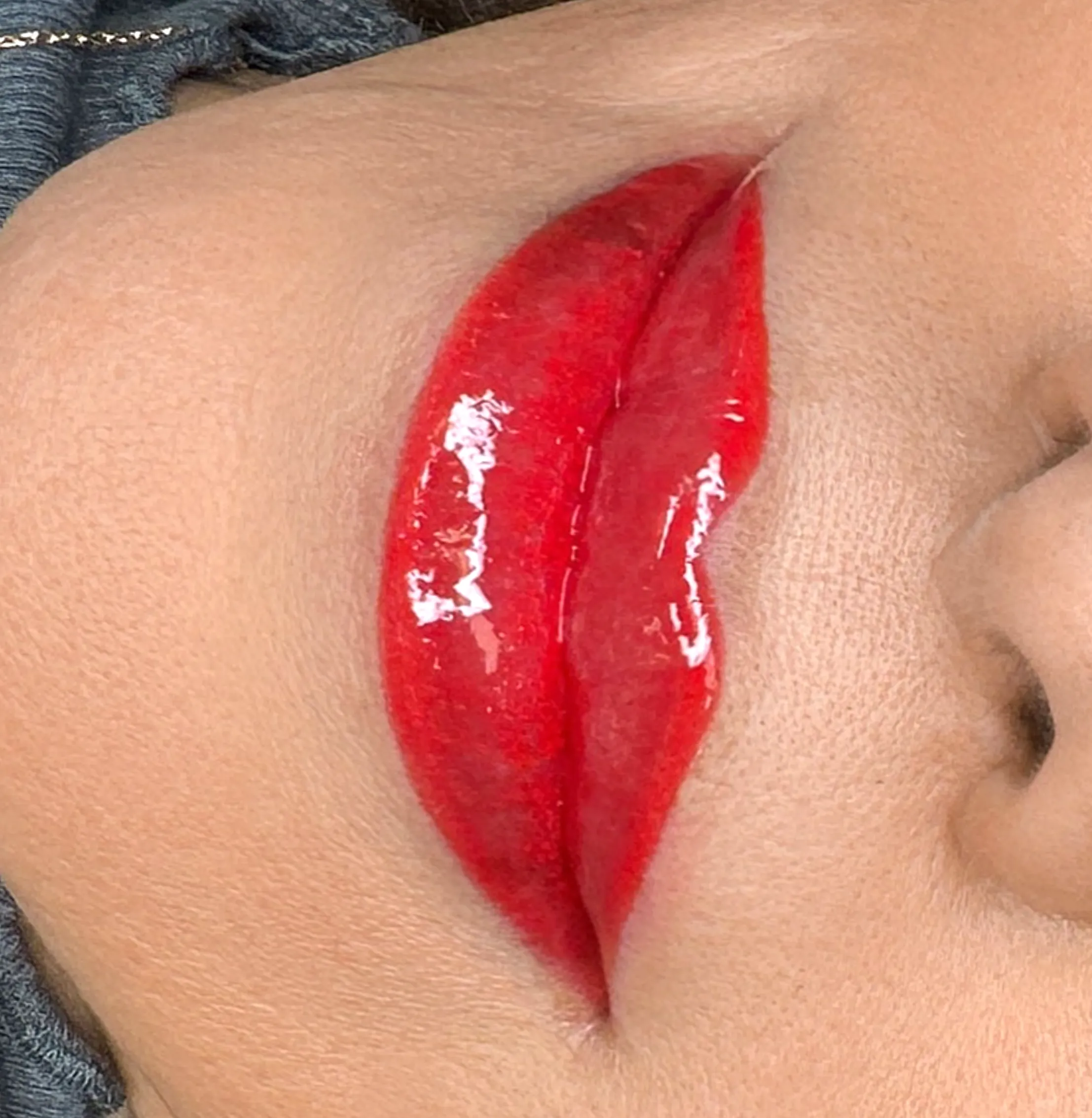
More often than not, we run into Brisbane students who finish short courses feeling like they’re jumping into the deep end with no paddle. A lot of the time, this is because they’ve finished an eyebrow tattoo course somewhere else but only got to work on one model – sometimes they rush it, sometimes they’re stuck on their own.
Here’s the lowdown on the problems we see most often:
- Work that looks patchy or shallow
- Overworked, bruised skin that just won’t heal
- Mapping that’s all over the place
- Pigment choices that just aren’t right
- Struggling with the stretch technique
- Panicking when a client bleeds or flushes
- Getting caught up on wound healing
These aren’t signs of failure; it’s just that the training they did didn’t include enough hands-on practice.
Inside Our Brisbane Studio
Over the years, we’ve seen students at all different levels come through our doors, and we’ve seen it all:
- Students who nail mapping on a latex surface only to struggle when it comes to real skin, because of brow asymmetry, for example.
- Students who bruise their first model, only to correct their technique on the next one.
- Even a teacher who’s about to start running their own eyebrow tattoo course,; but suddenly realises just how important skin type can be.
- Beginners who panic when they see a model flush from topical anaesthetics, but then learn it’s actually just a normal reaction.
The thing is, every learning moment counts – and every model that walks in is an opportunity to learn something you just can’t get from a synthetic surface.
Final Thoughts & A Friendly Nudge
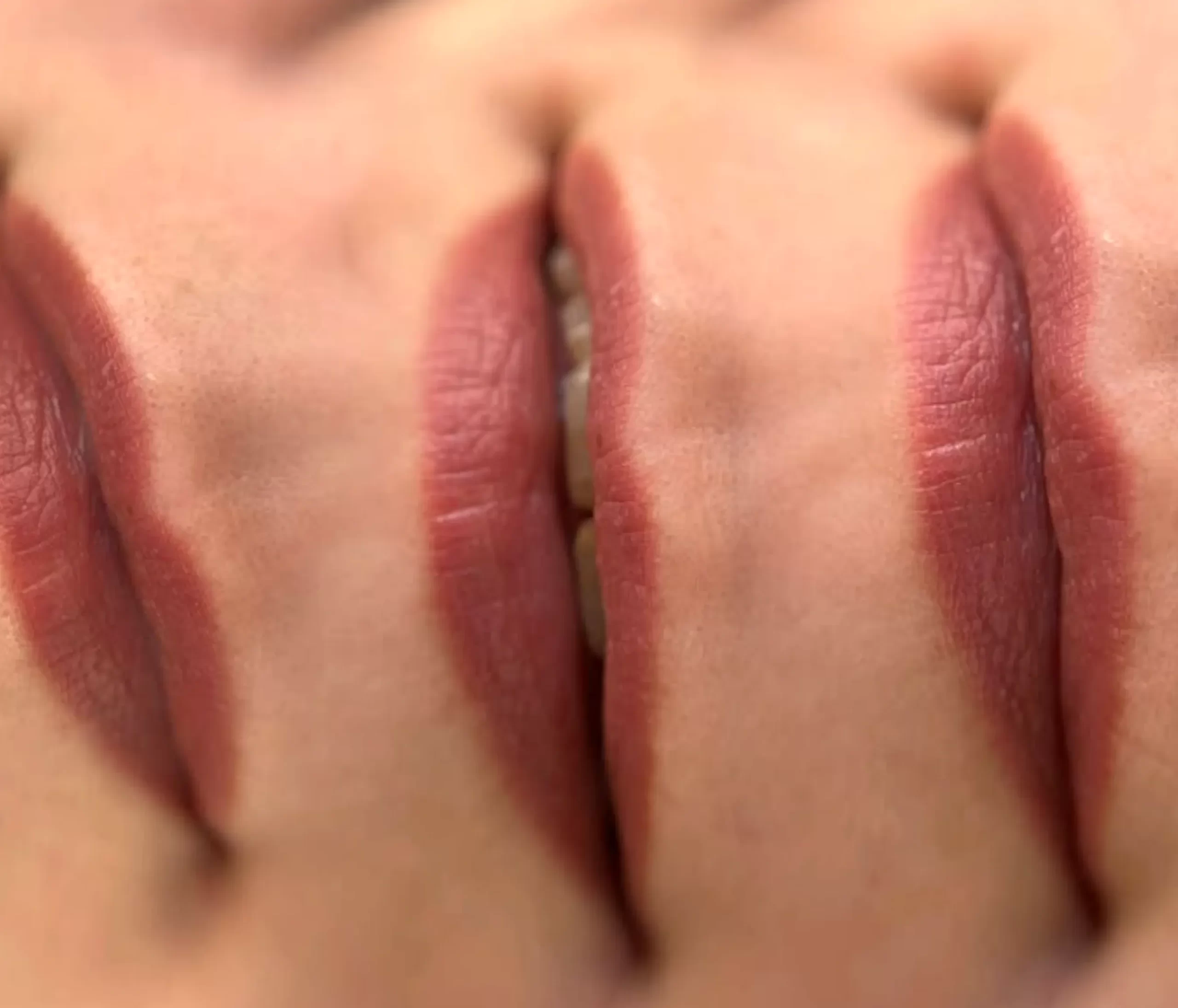
At the end of the day, live models are the foundation of proper cosmetic tattoo training. Whether you’re focusing on brows, expanding into new areas after a lip tattoo course, or looking to teach your own eyebrow tattoo course someday, the thing is, you need hands-on experience with real people to build your skills, keep yourself safe, and have the confidence to get on with it.
If you’re still trying to figure out which training path is right for you, the team at Cosmetic Tattoo Studio Brisbane Face Figurati are always happy to grab a cup of coffee and chat through your training options, model requirements, and what you’re hoping to get out of the whole experience.
FAQ
Is one live model ever enough?
No way! One model is never going to teach you much. You need to practice on a bunch of different people to get a real understanding of how real skin behaves.
Can latex practice replace live skin?
Latex is great for getting warmed up, but it just can’t replace the feel of real skin – the elasticity, the redness, the way the pigment flows – you can’t get that from a latex surface.
Should students be forced to find their own models?
No, not really. A good Brisbane training program should help you find models so you can focus on actually learning the skills you need.
Are infection control standards taught during live model work?
Absolutely! Live practice is the perfect time to learn about how to keep yourself and your clients safe from cross-contamination.
Do live models help with brow mapping skills?
Oh, definitely! Real bone structure and brow asymmetry are things you just can’t learn from diagrams or textbooks.