What is the best lip tattoo colour for over 60?

If you’re in your 60s and wondering if lip tattooing is still “worth it”, let me tell you — it absolutely is. In fact, with the right lip colour, your mature lips can look fresher, fuller and more defined without any need for lipstick tricks, lip pencils or liner sleight of hand.
So what’s the best lip tattoo colour for over 60? That’s what we’re getting into. But heads up — it’s not “just go nude” or “play it safe with coral”. It’s more nuanced and it starts with understanding how the aging process affects your lips, skin tone, lip shape and natural undertones.
Let’s break down the colour choices, healing tips, cosmetic tattoo techniques and advanced techniques I use in my Melbourne studio to help clients over 60 find their perfect pout — one lip pigment at a time.
Contents
- 1 Why Colour Choice Matters More As We Age
- 2 Top Lip Blush Colour That Works Wonders Over 60
- 3 Colour Family Cheat Sheet
- 4 Lip Pigment Considerations for Mature Skin
- 5 Real Client Scenarios From Our Studio
- 6 What to Expect After Your Lip Blush in Your 60s
- 7 Top Aftercare Tips for 60+
- 8 Myths About Lip Tattooing and Ageing — Debunked
- 9 How to Prepare for Your Appointment
- 10 Safety and Studio Standards
- 11 What to Ask Before Booking:
- 12 Final Thoughts
- 13 FAQ
Why Colour Choice Matters More As We Age
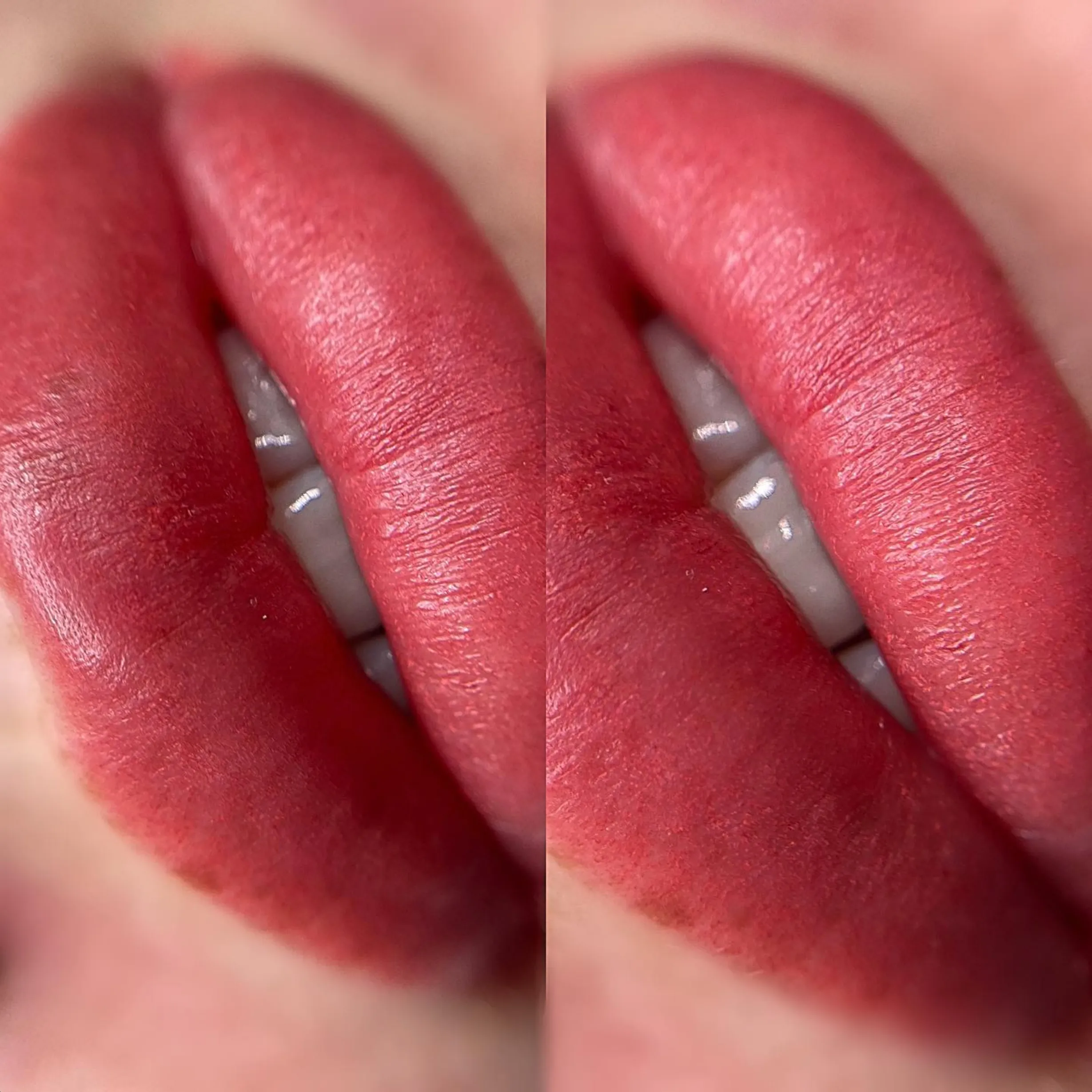
Lips in your 60s behave differently than they did in your 30s, and your pigment should reflect that.
As we age, the vermilion border (that crisp edge around your lips) fades, collagen loss kicks in, fine lines form, and the overall tone of our lips becomes cooler or more uneven. Lip tattooing, especially lip blushing or Lip Blush Tattoo, can restore definition and tint — but if the colour’s wrong? It can make lips look washed out, bruised or just plain fake.
That’s why choosing the right lip tattoo shade isn’t just about what’s trendy — it’s about what flatters your features now.
What Changes in Mature Lips:
- Pigment loss: Lips become paler and less vibrant
- Volume loss: Less natural plumpness = flatter canvas
- Skin tone shift: Hormonal changes and sun exposure affect undertones
- Fine lines: Bleeding pigment is more likely without proper placement
The goal? Soft, realistic colour that enhances your lips without exaggerating signs of aging skin.
Top Lip Blush Colour That Works Wonders Over 60
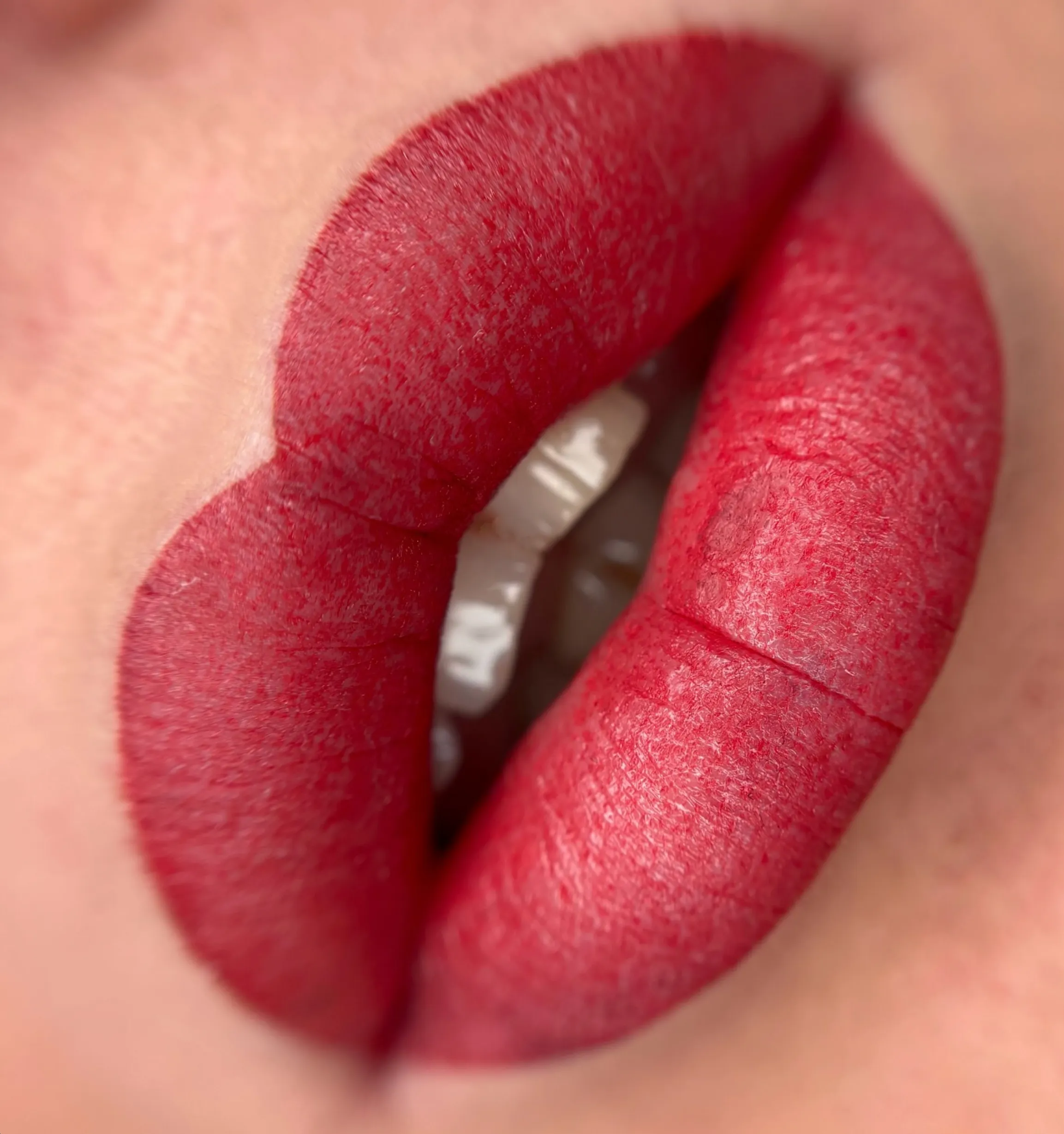
In our Melbourne cosmetic tattoo studio (Infinity Cosmetic Tattoo), we work with pigments designed for mature skin — soft pinks, gentle rosewoods and custom-blended neutrals that don’t go grey or too bright.
Here’s a breakdown of colour families that deliver gorgeous, age-flattering results:
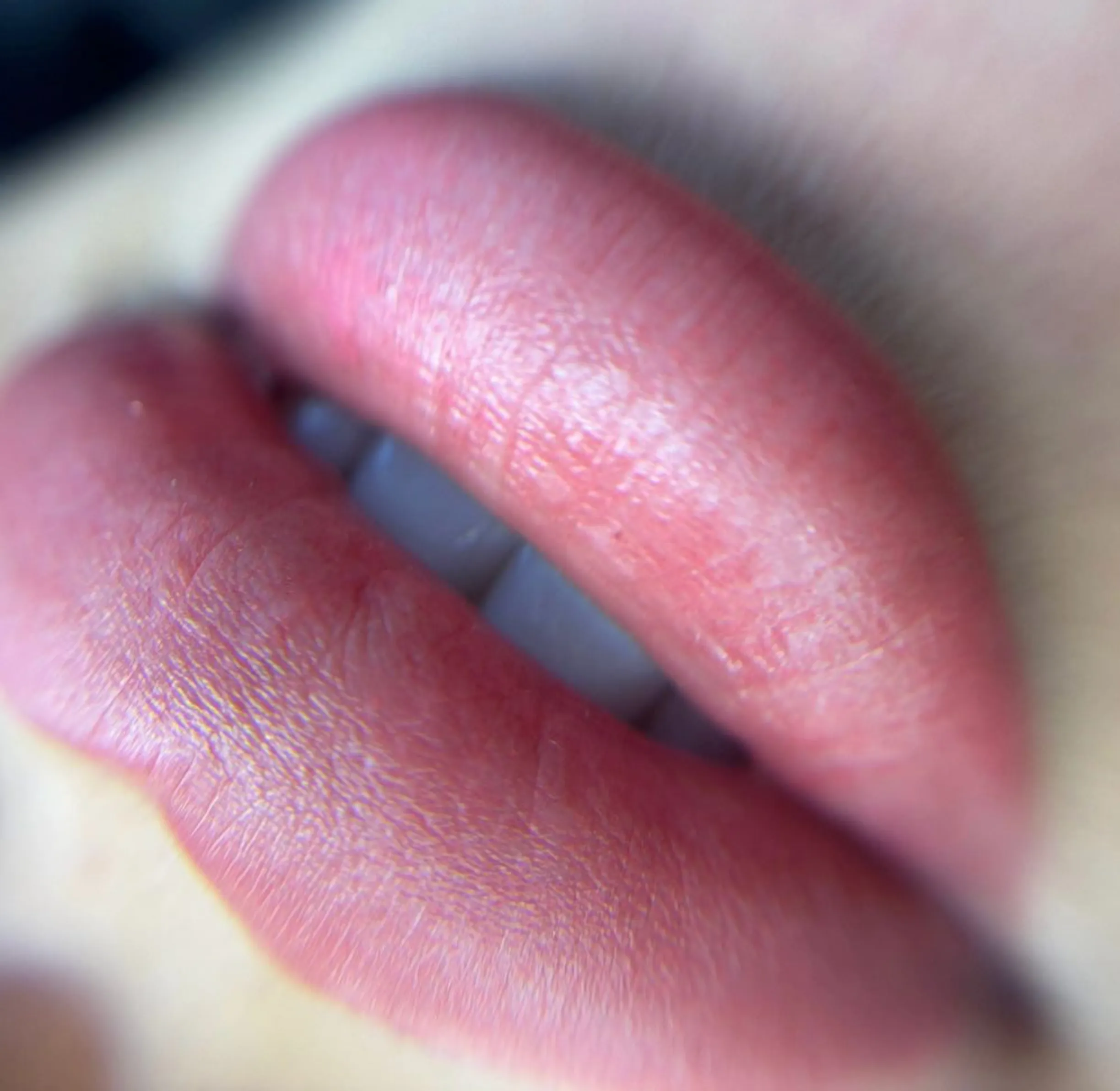
- Soft Rose and Dusty Pinks
For cool-toned or pale skin. These colours mimic a natural flush without looking too bright or fake.
For: Fitzpatrick skin types 1–3
Pigment examples: “Vintage Rose,” “Dusky Petal”
Avoid: Anything with too much blue or white pigment (which will dull your natural lip colour) - Warm Peachy Nudes
A lifesaver for warm or neutral skin tones. They add life without overwhelming.
For: Yellow or olive undertones
Pigment examples: “Apricot Nude,” “Warm Tea”
Pro tip: Peach tones balance cool undertones from age-related pigment loss - Mauve Toned Neutrals
Mature lips have cooler edges — a touch of mauve can harmonise uneven tone.
For: Neutral to cool skin
Pigment examples: “Muted Plum,” “Berry Beige”
Bonus: Looks polished without looking like lipstick - Delicate Coral or Watermelon
Don’t be scared of coral. Done right, it adds energy and softness, especially in olive or tanned skin.
For: Fitzpatrick types 3–5
Pigment examples: “Soft Coral,” “Melon Mist”
Caution: Avoid bold orange-reds that will look harsh on textured lips
Colour Family Cheat Sheet
| Shade Type | Best Skin Tones | Why It Works |
|---|---|---|
| Soft Rose | Cool, fair | Restores natural pink tone |
| Peachy Nude | Warm, olive | Brightens dull lips without harshness |
| Mauve-Neutral | Neutral, cool | Even tone, soft definition |
| Delicate Coral | Olive, tanned, deep | Adds warmth and glow |
Lip Pigment Considerations for Mature Skin
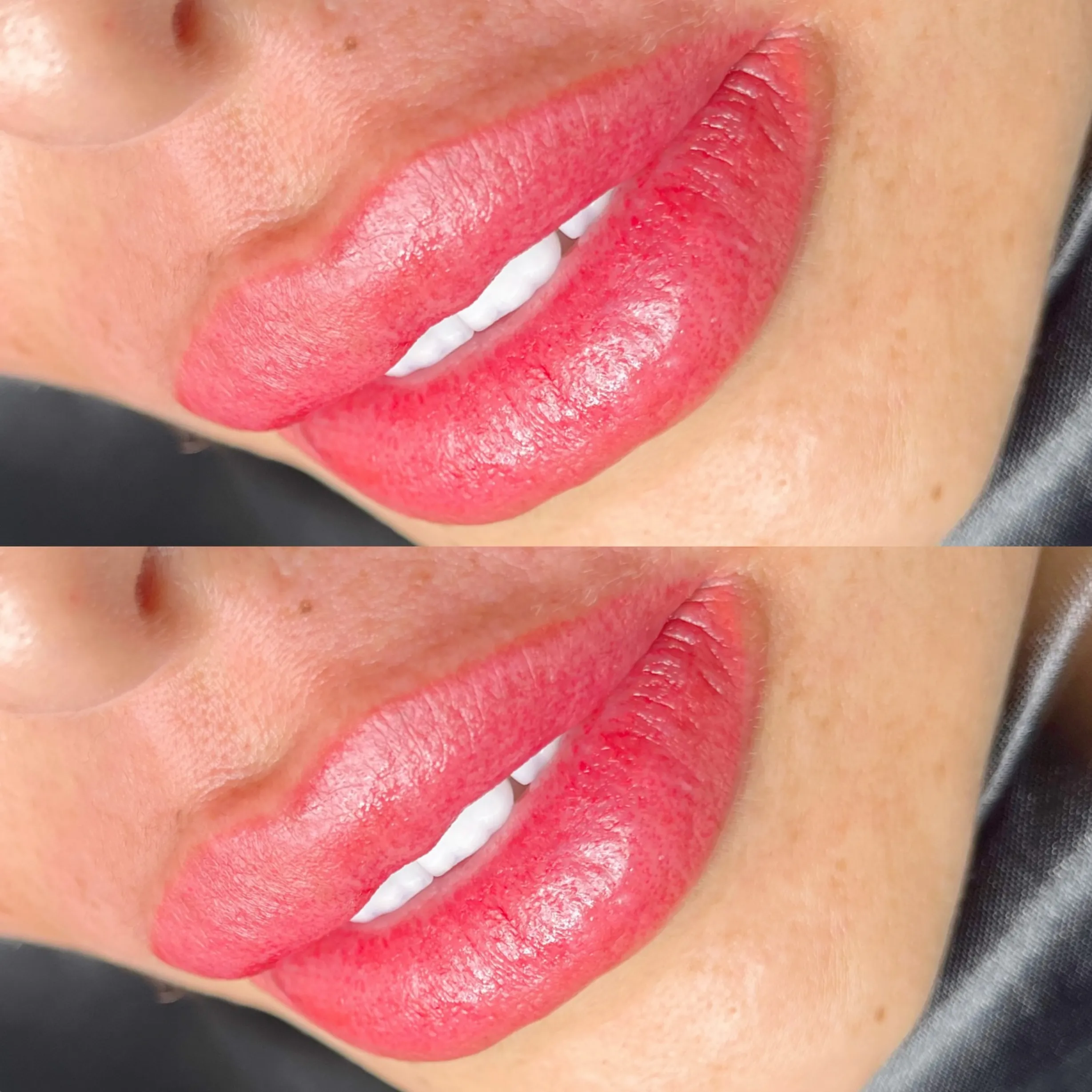
Choosing the lip colour is one thing — making sure it stays put is another. Mature skin holds pigment differently, and that impacts the tattoo techniques, equipment and formulation your cosmetic tattoo artist should be using.
Lip blushing tattoo sessions for aging skin require special attention to tone correction and hydration support.
Key Technical Tips:
- Lower saturation = better longevity on aged skin (oversaturation fades patchy)
- Cooler skin needs warmer pigments to neutralise purple tones
- Avoid white-based pigments — they can heal chalky or grey
- Multiple passes may be required to achieve an even tone on dry, textured lips
And if you’ve ever had cold sores? You’ll want a cold sore management plan before and after your lip blush procedure. We always pre-consult around antiviral medication to reduce the risk of flare-ups during healing.
Real Client Scenarios From Our Studio
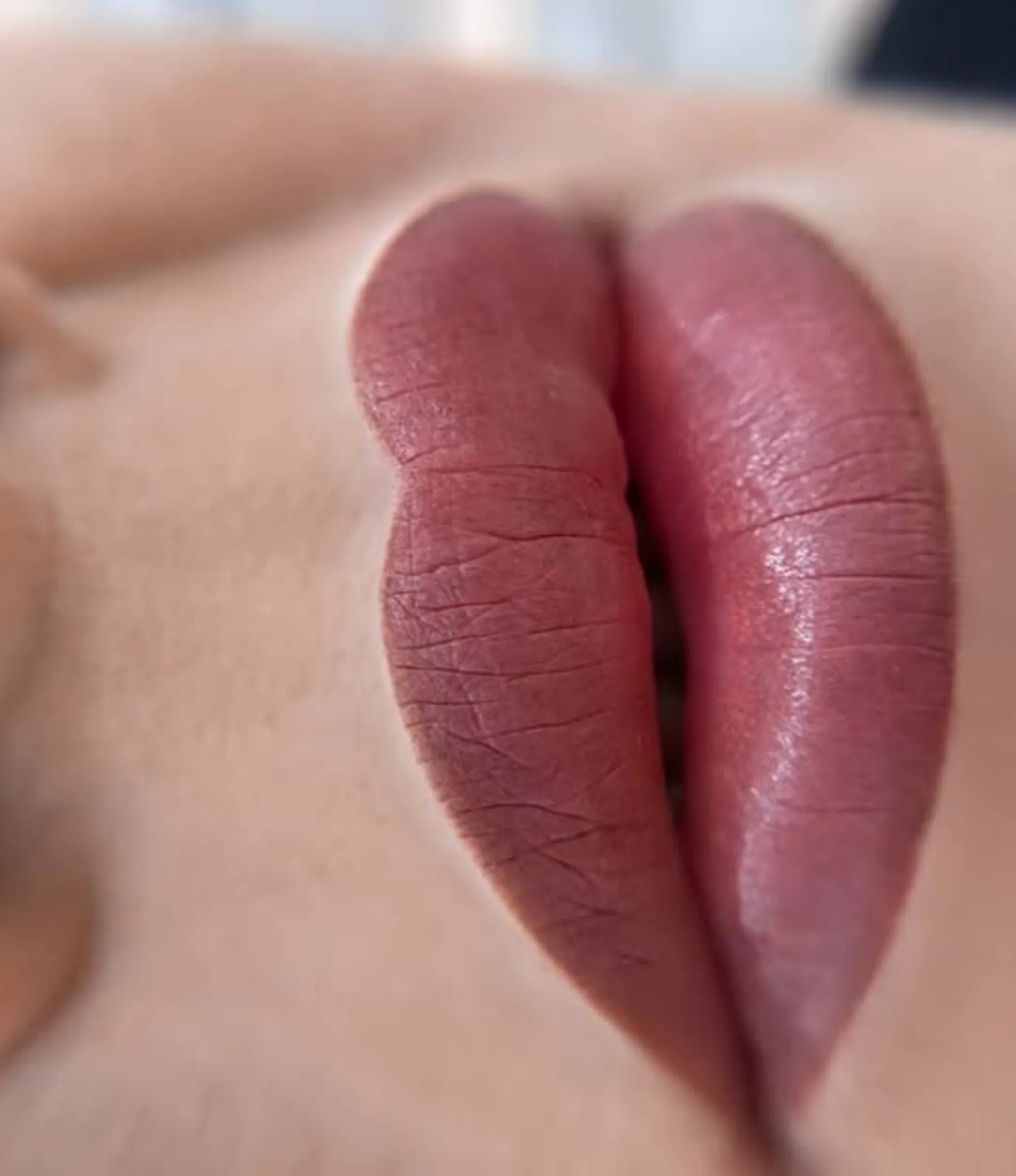
To give you a taste of what works in the treatment room, here are a few anonymised stories:
Case 1:
Ros, 62, Fitzpatrick 2, previously overlined with lip pencils daily
We chose a soft, cool rose pigment and used gentle shading across the body of the lip. After healing from her lip tattoo, she tossed her lip liner entirely. We topped it up with a light lip gloss for everyday wear.
Case 2:
Anita, 67, Fitzpatrick 3, ex-smoker with lip discolouration
We did a lip neutralising session using a warm coral blend to correct blue undertones, then followed up 8 weeks later with a natural mauve-pink colour boost. Result? Even healthy-looking lips with minimal effort.
Case 3:
Deirdre, 64, olive-toned with pigment loss around the edges
She wanted “no makeup, just healthy lips.” We mixed a peachy-nude base with a soft coral tint, building definition back into her lip line and vermilion border. Her natural lip shape popped beautifully — no lip injectables needed.
What to Expect After Your Lip Blush in Your 60s
Healing takes longer when skin is thinner or more sensitive, and mature clients should allow extra downtime for their permanent makeup treatment.
Lip tattoo aftercare instructions are especially important for mature skin, as hydration and healing support are key to long-lasting results.
Healing Timeline Breakdown
| Day | What You’ll Notice | What To Do |
|---|---|---|
| 1–2 | Swelling, intense colour | Cold compress, lip balm, and avoid hot drinks |
| 3–5 | Flaking, colour starts fading | No picking! Keep moisturised with barrier cream |
| 6–10 | Dull “milky” lips | Totally normal — trust the process |
| 11+ | Colour resurfaces subtly | Use balm with SPF, avoid exfoliation |
Top Aftercare Tips for 60+
- Hydrate more than usual — water and omega oils help skin heal evenly
- Avoid hot or spicy drinks for the first few days
- Use a fragrance-free barrier cream
- Lip balm, lip balm, lip balm — carry it with you at all times
- No lipstick or chemical peels until your artist says it’s okay
Myths About Lip Tattooing and Ageing — Debunked
Let’s get some things straight. I still hear from clients walking in the door:
- “You can’t get lip tattooed if you’re over 60”
→ Totally false. Age has nothing to do with it — it’s about your skin type, health, hydration and healing ability. - “Older lips can’t hold pigment”
→ Not true if the right pigment and technique are used. We get better retention in older clients who follow the healing process and aftercare. - “Nude always looks best”
→ Depends. “Nude” for one person could be dead-looking for another. That’s why custom colour blending is essential, especially with mature skin.
How to Prepare for Your Appointment
A little prep goes a long way when you’re 60+. Your skin needs extra love to heal and take pigment.
Pre-Treatment Checklist
- Exfoliate gently 3-5 days prior (sugar scrub and balm are enough)
- Increase water intake for a week
- Start lip balm 5 days before
- Avoid alcohol and blood thinners 24-48 hours prior
- Talk to your GP if you get cold sores — ask about antivirals
- Avoid chemical peels or other intense treatments 2 weeks prior
Safety and Studio Standards
At our Face Figurati Cosmetic Tattoo Studio in Melbourne, treatments for mature clients start from $600–$750, including one touch-up appointment. Prices vary depending on the artist’s experience, pigment quality and if lip neutralising is required.
What to Ask Before Booking:
- Is the pigment vegan and formulated for lip blush?
- Are the machines low-vibration and gentle?
- Do they offer numbing cream and aftercare support?
- Do they understand cosmetic tattoo correction and lip neutralising?
- Do they use a professional cosmetic tattoo gun or a tattoo gun suitable for facial work?
- Can you see healed results from other mature skin clients?
- Are they one of the reputable studios with master artists trained in semi-permanent makeup?
Final Thoughts
So, what’s the best lip tattoo colour for over 60? There’s no one answer — and that’s the beauty of cosmetic tattooing.
It’s about choosing a pigment that respects your natural lip colour, softens signs of the natural aging process and reflects the face you’re living in now, not the one you had at 25.
In our Melbourne cosmetic tattoo studio, we help women in their 60s and beyond feel more polished, confident and effortless every day — with semi-permanent tattoo colours that don’t rub off, smudge or need reapplying.
FAQ
Can I get a lip tattoo at 65 or older?
Yes. As long as your skin is healthy and you’re not immunocompromised or prone to keloid scarring, age is not a barrier. We have clients in their 70s who love the results.
Will lip blush make my lips look fuller without lip injectables?
Yes, subtly. It won’t plump like cosmetic procedures involving fillers, but adds definition and a colour gradient that creates the illusion of volume.
What’s the healing process like for older clients?
6–8 weeks healing time with initial peeling done in 7–10 days. Aging skin heals more slowly but often retains pigment beautifully with good aftercare.
Should I choose a warm or cool lip colour?
Depends on your skin tone and if your lips have dark or blue tones that need lip neutralising. Cooler skin = warmer pigment and vice versa.
How long does the lip tattoo procedure last?
For mature skin, lip blush pigment generally lasts 2–3 years, but a colour boost around 12–18 months is ideal to keep things fresh.