How do people clean high windows?

Whether you’re a homeowner with a double-storey view or a building manager facing glass facades 15 floors up, one thing’s for sure: cleaning high windows isn’t your average Sunday chore. Most folks don’t realise how risky (and ineffective) DIY window cleaning becomes the higher you go. Dirty windows up high aren’t just an eyesore—they block natural light, trap dust, and chip away at your property’s street appeal.
So, how do people clean high windows safely, properly, and without streaks that glare at you in the sun? Let’s break it down like we would on a job site.

Contents
Why do high windows get so filthy?
Before we get into the tools and techniques, here’s why you shouldn’t ignore upper-storey windows:
- Exposure to wind-blown dust, salt, pollen, and bird droppings
- Airborne pollutants and exhaust fumes, especially in built-up or high-traffic areas
- Run-off from roofs or ledges, leaving streaks and water stains
- Hard-to-reach means rarely-cleaned, so grime bakes in
The result? You lose natural light, your home looks tired, and in commercial settings, customers notice. Regular window cleaning—even for high windows—is about more than just sparkle. It boosts curb appeal, natural lighting, and protects window frames and seals from long-term damage. It also ensures clean water and proper use of cleaning cloth options like microfiber cloth, soft cloth, lint-free cloth, or a clean microfiber cloth to keep the entire window and window sill spotless. If you’re searching for expert help, try looking up window cleaners near me for reliable local services. For dependable results across a range of property types, the Window Cleaning Melbourne Crew is a trusted name.
The 4 main ways professionals clean high windows
Depending on your building height, surface type, and water access, different tools and safety systems come into play. Here’s what the pros use:
1. Extension poles with specialised tools
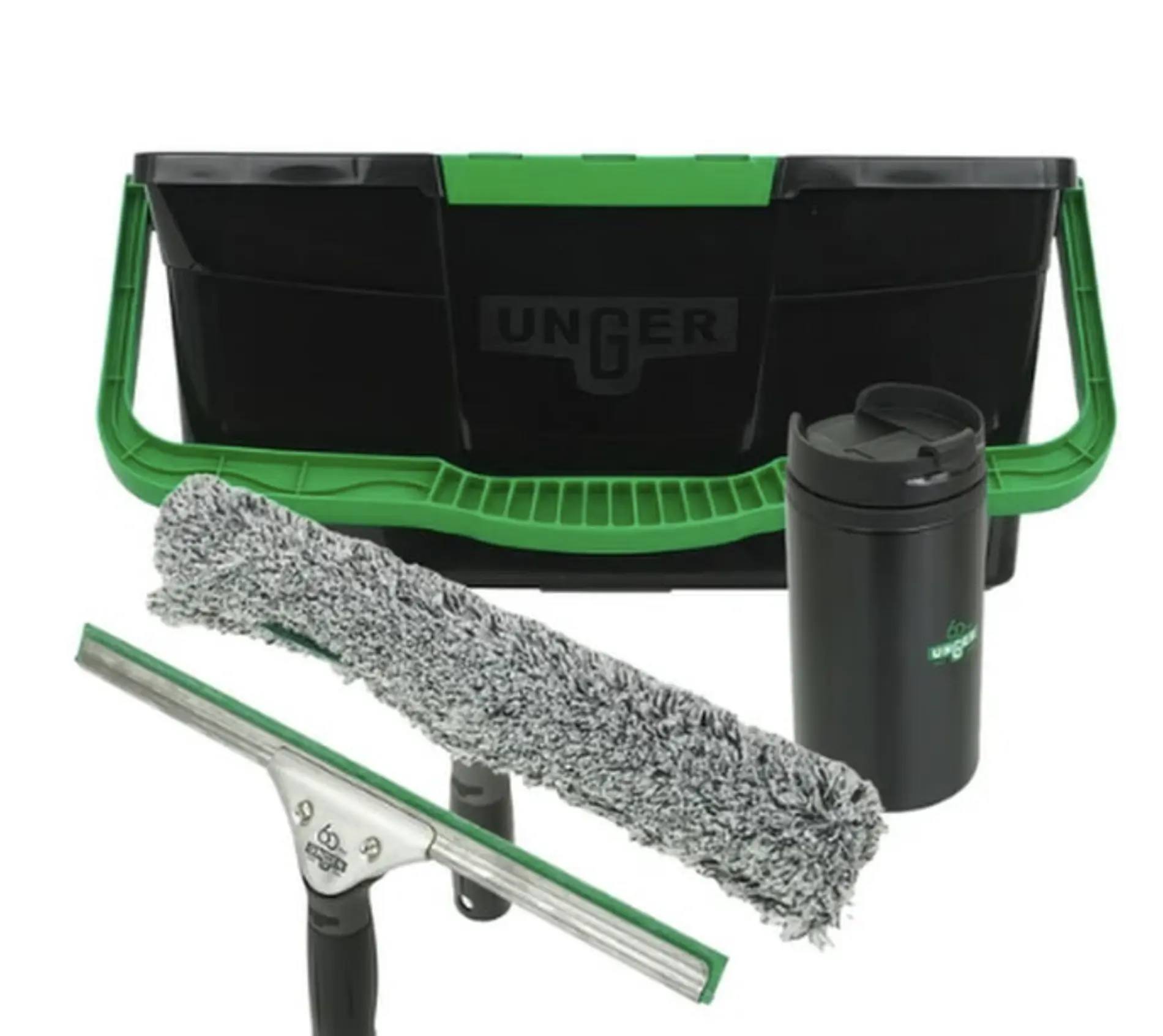
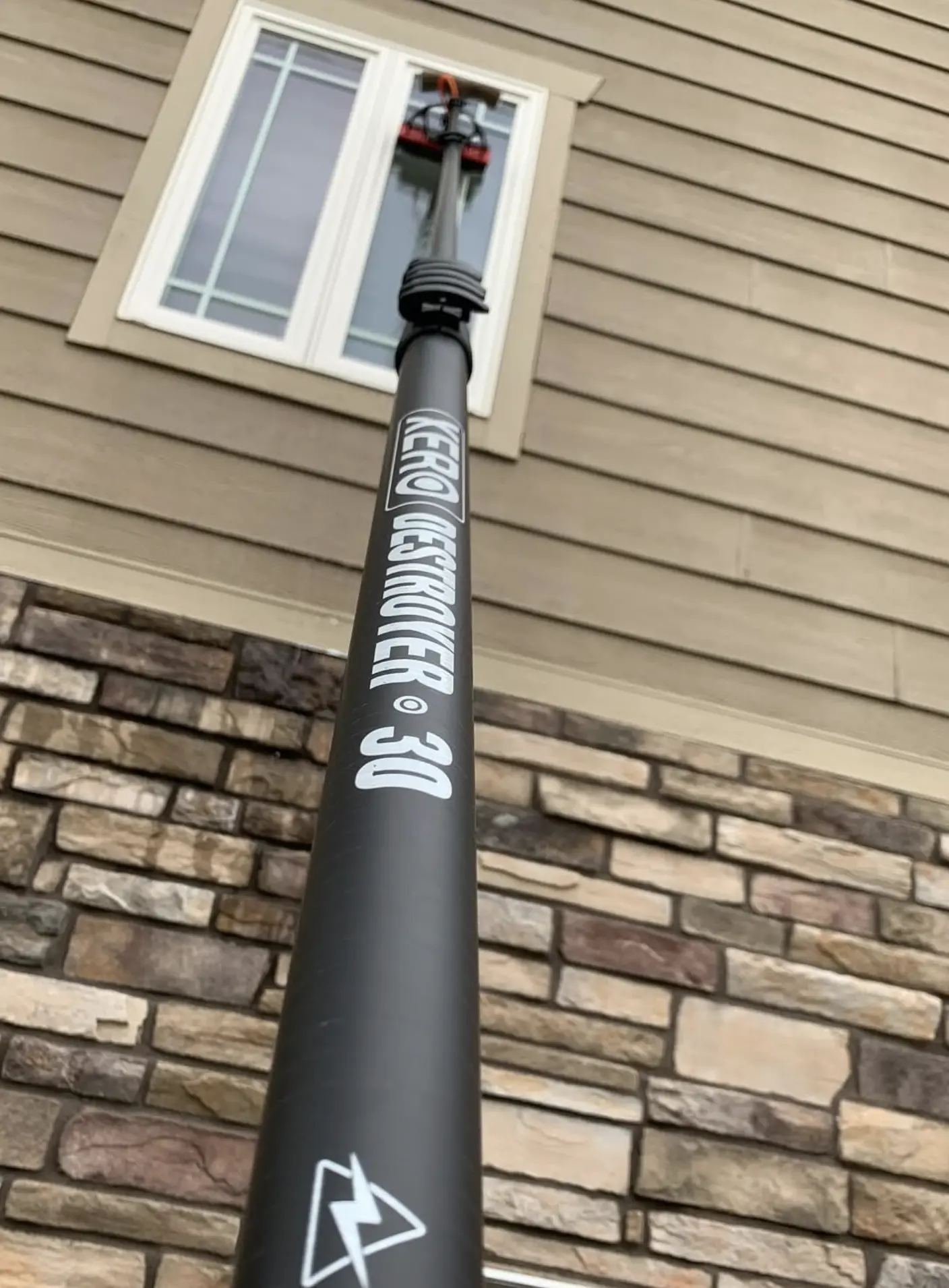
For most residential windows or small commercial sites, we use telescopic extension poles or extendable window cleaning poles with:
- Microfibre washer sleeves to loosen dirt
- Squeegee blades or combination squeegees to leave a streak-free finish
- Purified water-fed brushes to rinse and clean without chemicals
We also use squeegee attachments and extendable squeegees to hit those awkward angles at a safe angle. It’s an alternative method that’s part of our arsenal of window cleaning tools. For expert-level results, it’s worth hiring a professional Window Cleaning Melbourne Crew.
Hot tip: These aren’t your hardware store poles. Professional gear means carbon fibre poles that stay rigid at 6+ metres. They also connect to DI (deionised) water systems to remove minerals that leave marks.
2. Water-fed pole systems
On jobs like Balcony cleaning Melbourne or strata buildings, we often turn to pure water-fed poles. These use:
- A filtration system (RO/DI) to strip out calcium, magnesium, and other minerals
- Lightweight poles that reach up to 15m (roughly 5 storeys)
- Soft bristle brushes that agitate and rinse without scratching glass windows
This is how we clean facade glass, atrium windows, and even exterior apartment windows—all without using ladders or boom lifts. Safer for us. Cheaper for you. It’s a staple method in Melbourne window cleaning for mid-rise and residential buildings.
3. Elevated Work Platforms (EWPS)
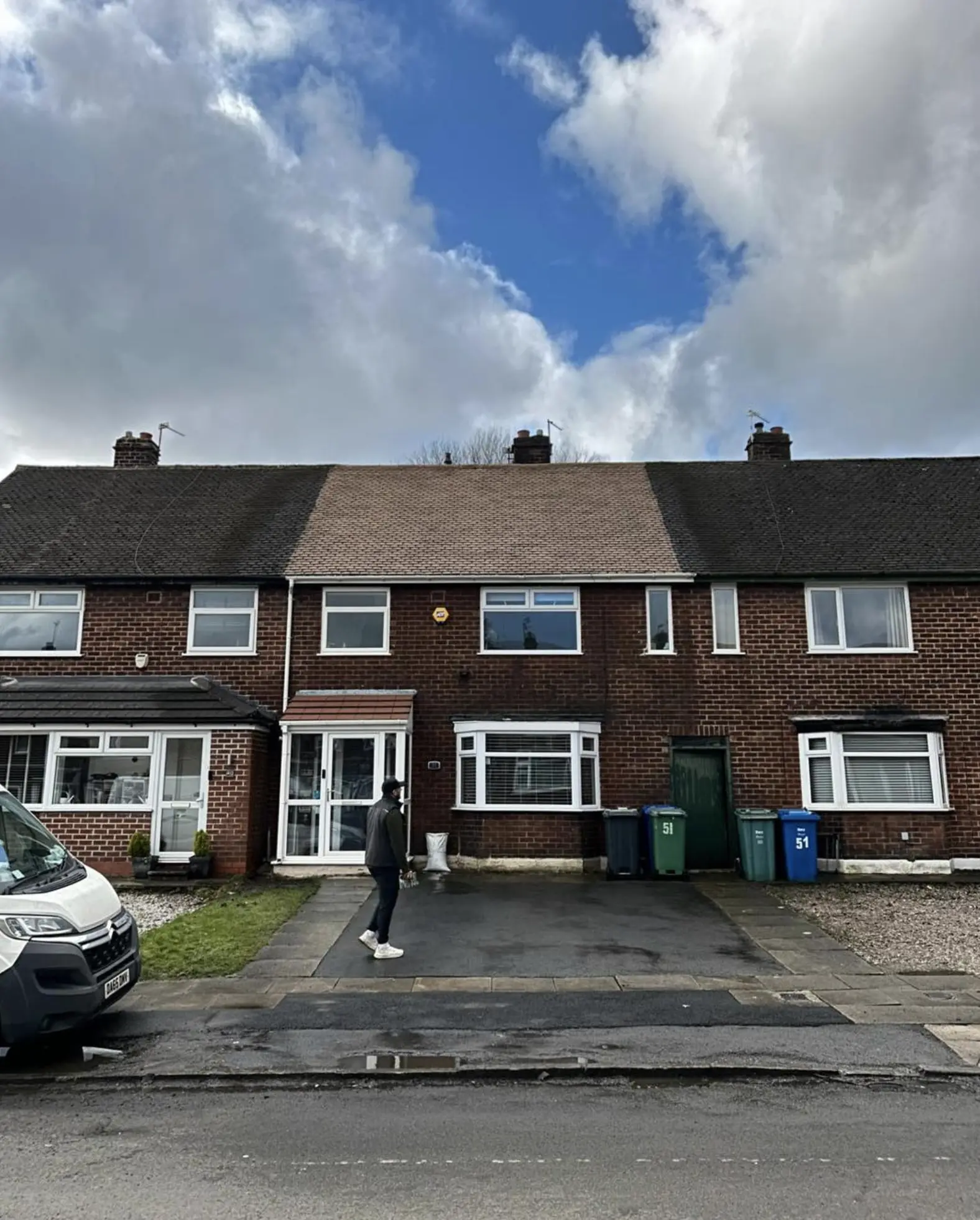
When it comes to High-Rise Window Cleaning, sometimes there’s no way around it: we need a boom lift, scissor lift, or cherry picker.
- Licenced operators only (check your cleaner is certified)
- Spotters on-site for public safety
- Ideal for properties with roof access restrictions or where poles can’t reach over awnings or parapets
This method is often used on Pressure Cleaning Melbourne jobs where we’re already using boom lifts for building exteriors. It’s commonly used by high rise window cleaning Melbourne companies with experience in large-scale façade access.
4. Abseiling or rope access
If you’ve got a tall commercial site or a glass-clad office block, you’ll see our high-rise building window cleaners in harnesses, descending with squeegee blades in hand.
- IRATA-certified technicians only
- Used for multi-storey facade cleaning, including Commercial Windows and narrow voids
- Requires site-specific safety planning and SWMS documentation
It’s the most labour-intensive, insurance-heavy, and expensive method, but sometimes the only option.
Safety is the non-negotiable
We don’t muck around with safety when we’re working off the ground. If your cleaner isn’t talking safety tools, harnesses, or can’t show you how they’ll access the job, it’s a red flag.
Here’s what professional teams like Window Cleaning Melbourne Crew always do before cleaning high windows:
- Full job hazard assessments
- Use of harnesses, fall arrest systems, or edge protection
- Two-person teams for jobs involving EWPs or rope access
- Insurance and SWMS documents available on request
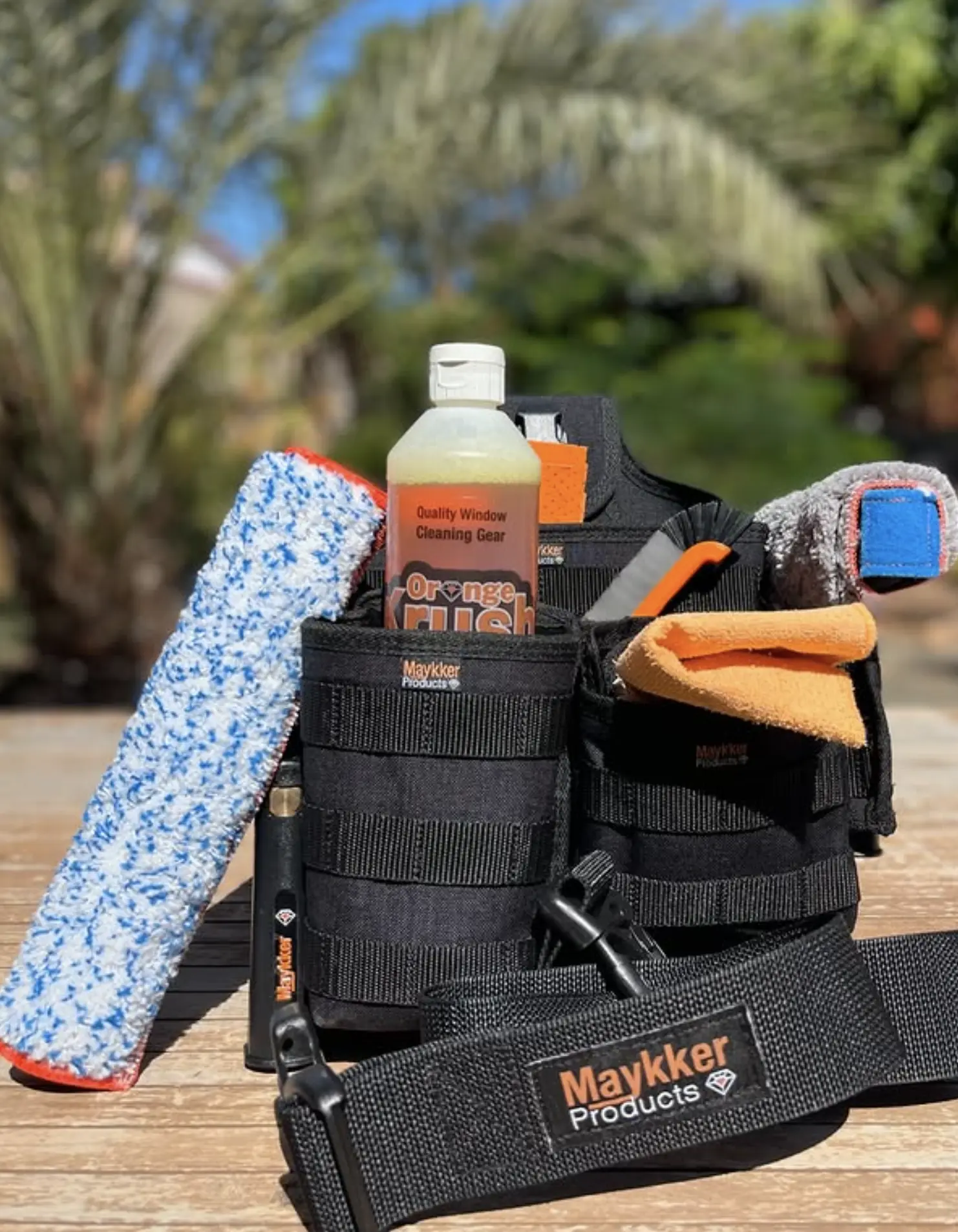
- Tool belts equipped with Multi Tool, climbing tools, and cleaning sponge attachments
What types of properties need high window cleaning?
You’d be surprised how many buildings fall into the “high window” category. Here’s a quick rundown:
- Double-storey homes with big, vintage-style steel framed windows
- Apartments with balcony glass or option for apartment windows
- Townhouses with stairwell windows
- Commercial buildings with upper-level glass facades
- Churches, schools, aged care facilities, and anything with architectural features
Whether it’s domestic windows or commercial window cleaning solutions, regular attention helps avoid caked-on dirt and the need for harsher cleaning methods later. For convenience, check local providers by searching window cleaning near me to find pros in your area.
DIY vs pro
Sure, you can clean ground-floor windows with a bucket and squeegee. But when it comes to high ones?
Here’s what DIY often gets wrong
- Streaky finishes from using tap water or poor window cleaning products
- Risk of injury from ladder use on uneven ground
- Not reaching edges or frames, leaving grime in seals and window tracks
- Scratched window glass from abrasive tools or harsh cleaning supplies
- Excess moisture soaking into window sills or damaging seals
DIY can work for a floor window, but anything higher than a standard ladder height? Call in a professional window cleaner with the proper window cleaning equipment and window cleaning solution.
Common mistakes
Let’s call out a few real examples from jobs we’ve cleaned up after:
- A client used a pressure washer on the upper windows, blasted the seal straight out. Had to replace three panes.
- Someone used aerosol spray and paper towels on a skyscraper window, which led to streaks and sticky residue that attracted more dirt.
- Another used dishwasher detergent tablets, thinking it’d work like a charm. It etched the glass and left a film.
The lesson? Using the correct angle, cleaning technique, and chemical-free, streak-safe approach makes all the difference.
Before booking high window cleaning
Don’t just book the first listing you see online. Ask these:
- What’s your access method? (Poles, lift, rope?)
- Are your team licensed and insured?
- What water system do you use—pure or tap?
- Do you clean the window sills, frames, and screens too?
- Will the quote include balcony glass or just main windows?
And if they can’t explain the process—including how they handle dirt buildup, heavy grease, and awkward angles—keep looking.
The wrap-up
If your high, hard-to-reach windows are fogged over with dust, cobwebs, or streaks, don’t wait for the next rainstorm to rinse them off. It won’t work.
FAQ
Can I clean second-storey windows myself with a ladder?
You can try, but it’s risky. Ladders on uneven ground are one of the biggest causes of home injuries. Most pros use extension poles or water-fed systems from the ground.
Do you need chemicals to clean high windows?
Not always. Most use clean water or hot water systems and soft tools like a microfibre cloth or bamboo cloth. No harsh detergents required.
How much does it cost to clean high windows?
Depends on height and access. Pole work is cheaper than EWPS or rope access:
- Residential: $150–$400
- Commercial mid-rise: $400–$1,200+
- Rope access: $800–$2,000+
What if my windows are completely unreachable?
There are telescopic U-shaped window cleaners, rope-access crews, or scaffold setups depending on the risk and design. We tailor the cleaning process to your building.
What’s the best way to avoid streaks on high glass?
Use pure water, the right angle on cleaning, a quality squeegee blade, and always dry with a dry microfiber cloth or rotate your cloth between swipes.